Operating Shared Devices in Hospitals: Placement, Workflow, and Service Metrics
Practical deployment and operations guidance for shared wheelchairs, care beds, and charging services in hospitals
Public service comes before equipment rental
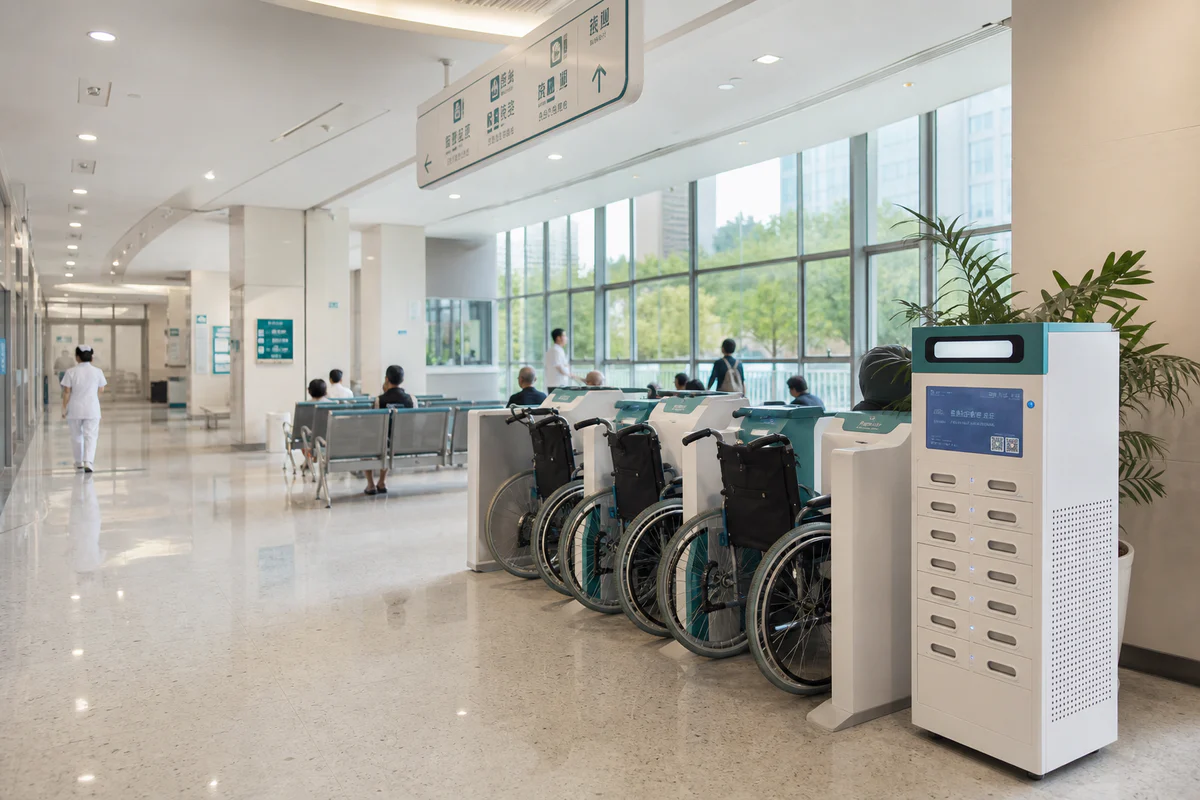
Shared wheelchairs, care beds, and charging services in hospitals support patients, families, and medical staff. Users may be unfamiliar with mobile applications or may need help under time pressure. Success therefore depends not only on transactions, but also on discoverability, reliable availability, and clear support when something goes wrong.
Follow real patient and caregiver journeys
Wheelchairs often fit outpatient entrances, parking connections, emergency areas, and inpatient service points. Care beds should align with wards, nurse stations, and overnight rules. Charging equipment works best in waiting, payment, and public rest areas.
Evaluate every site against these questions:
- Can users find the equipment and understand what to do?
- Are power and connectivity reliable?
- Does the equipment preserve fire, evacuation, and accessible routes?
- Can staff inspect, replenish, and resolve incidents easily?
- Will peak periods create queues or shortages?
Reduce steps in rental and return
After scanning, users should complete authorization, pricing confirmation, and unlock quickly. For wheelchairs and care beds, explain where to return the equipment, how success is confirmed, and what happens when return is incomplete.
Where older users are common, use larger text, clear actions, visible support channels, and assisted-service options. If deposits apply, show refund conditions and expected timing clearly.
Manage campuses and departments separately
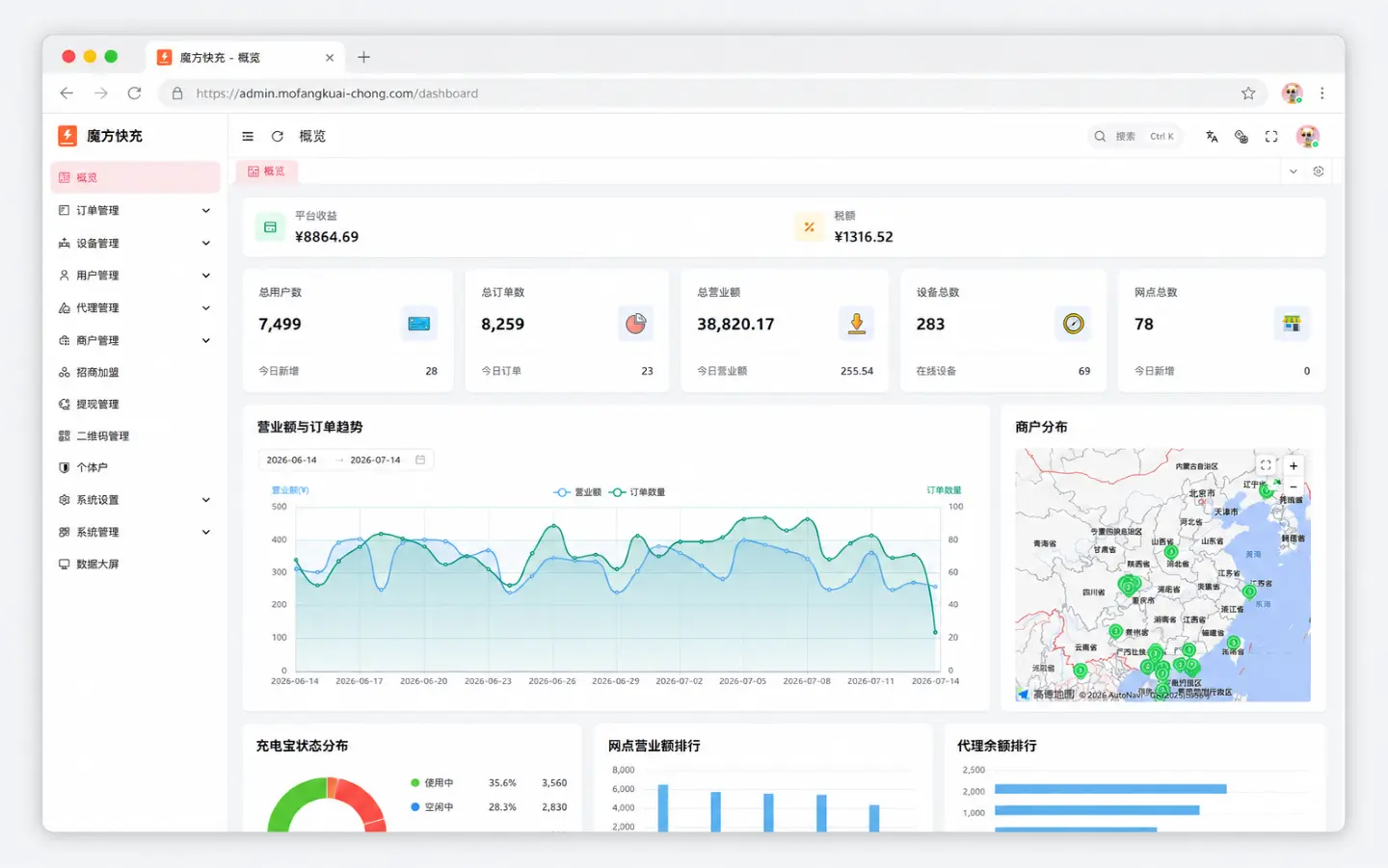
Large hospitals may span campuses, buildings, floors, and departments. The operations platform should report devices, availability, orders, incidents, and revenue by organizational level while restricting each role to the appropriate data.
Nurse stations usually need local status and simple exception handling. Operations teams handle dispatch, cleaning, maintenance, and reconciliation. Hospital management focuses on coverage, complaints, and overall service quality.
Make sanitization and maintenance traceable
Wheelchairs and care beds are high-contact equipment. Every unit should have sanitization, inspection, repair, and out-of-service records searchable by time, venue, and operator.
The platform can create work orders based on usage count, time interval, or abnormal state. Field staff confirm completion by scanning the device, keeping records aligned with the actual asset.
Exception handling defines the experience
Plan explicitly for:
- Payment succeeded but the device did not unlock.
- The user cannot return equipment or billing continues.
- Equipment is damaged, contaminated, or blocks circulation.
- A wheelchair leaves the permitted zone.
- A user needs urgent assistance during unattended hours.
Link orders with device logs so customer service can resolve refunds or close orders first, then route hardware failures to field operations.
Service quality metrics to track
Revenue and order volume are not enough. Monitor:
- Device availability and peak-period fulfillment.
- Conversion from scan to successful rental.
- Payment-to-execution success rate.
- Average exception-order closure time.
- On-time completion of sanitization and inspections.
- Complaint categories and repeated issues.
Scale from one pilot to the whole campus
Start with one outpatient zone or ward to validate device quantity, pricing, user flow, and field responsibilities. Once stable, turn placement rules, device configuration, training, and exception handling into a reusable rollout checklist.
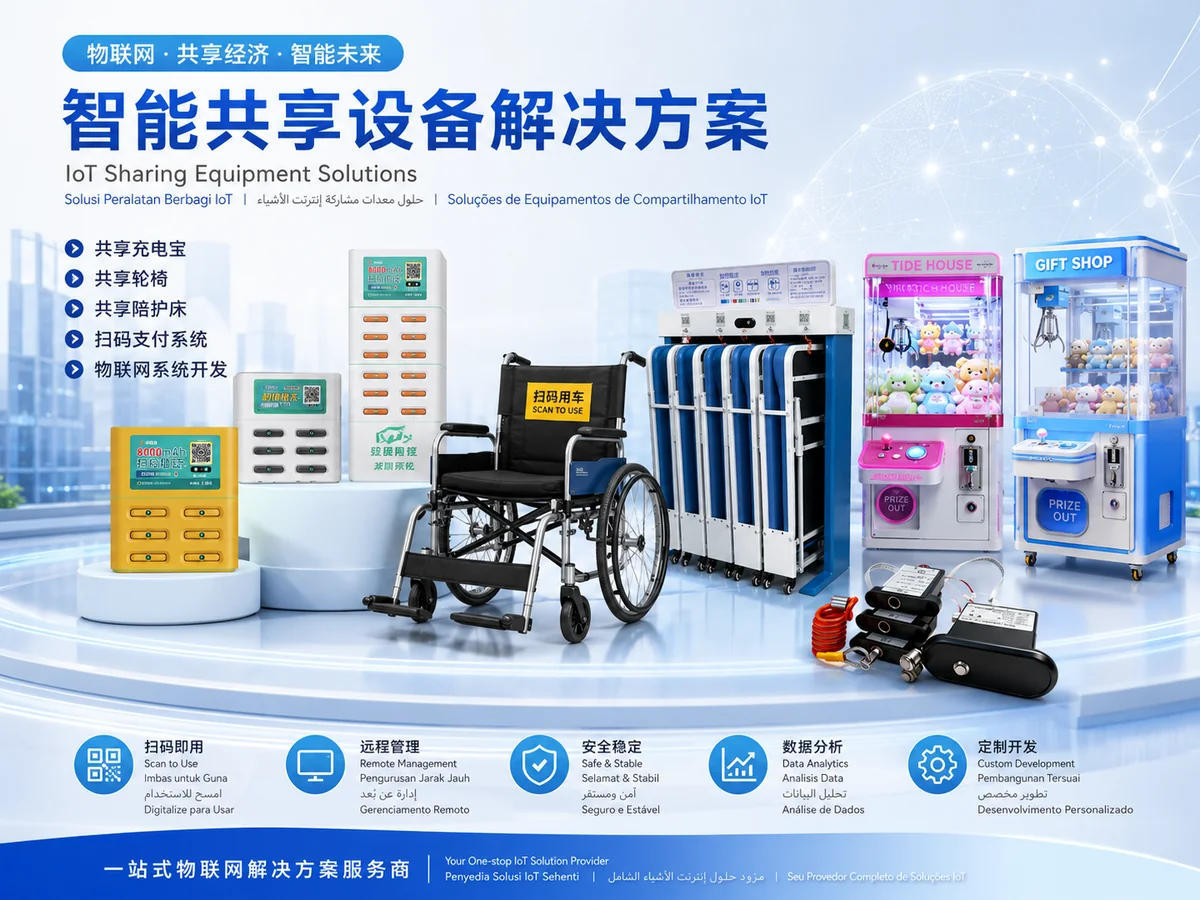
Long-term value in hospital shared services comes from reliable availability, clear workflows, and traceable service. Technology should support those goals without adding unnecessary work for medical and operations teams. Review the capabilities of our shared wheelchair system and shared care bed system for hospital deployments.