IoT Device Management Platform Best Practices
A practical framework for device models, messaging, monitoring, access control, and long-term platform evolution
Why platforms become complex as deployments grow
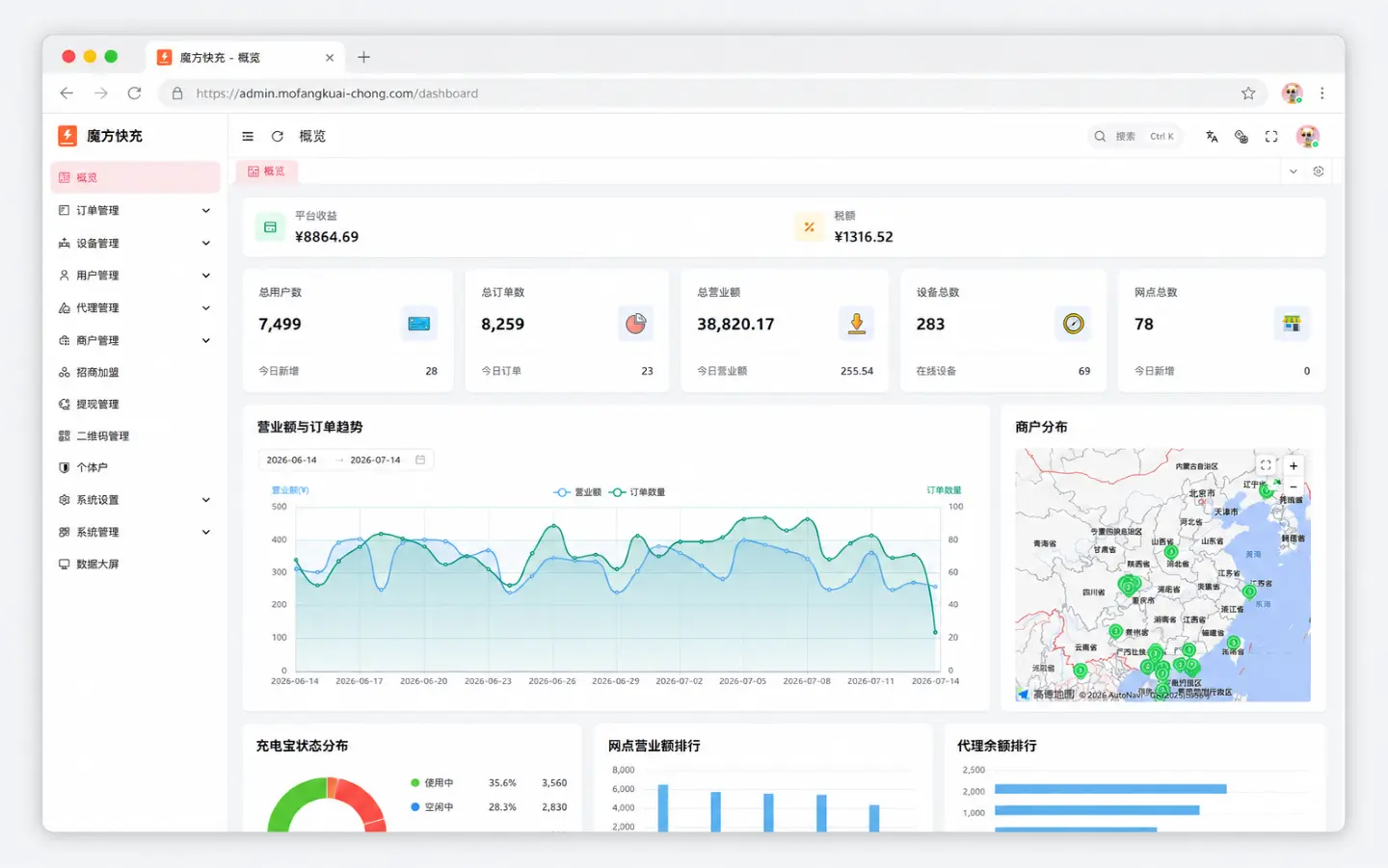
The hard part of an IoT platform is rarely receiving one device message. Complexity comes from managing different models, protocols, firmware versions, and operating lifecycles over time. As a deployment expands across regions, teams often discover inconsistent device identities, unclear state definitions, commands without traceable results, and operational data disconnected from transactions.
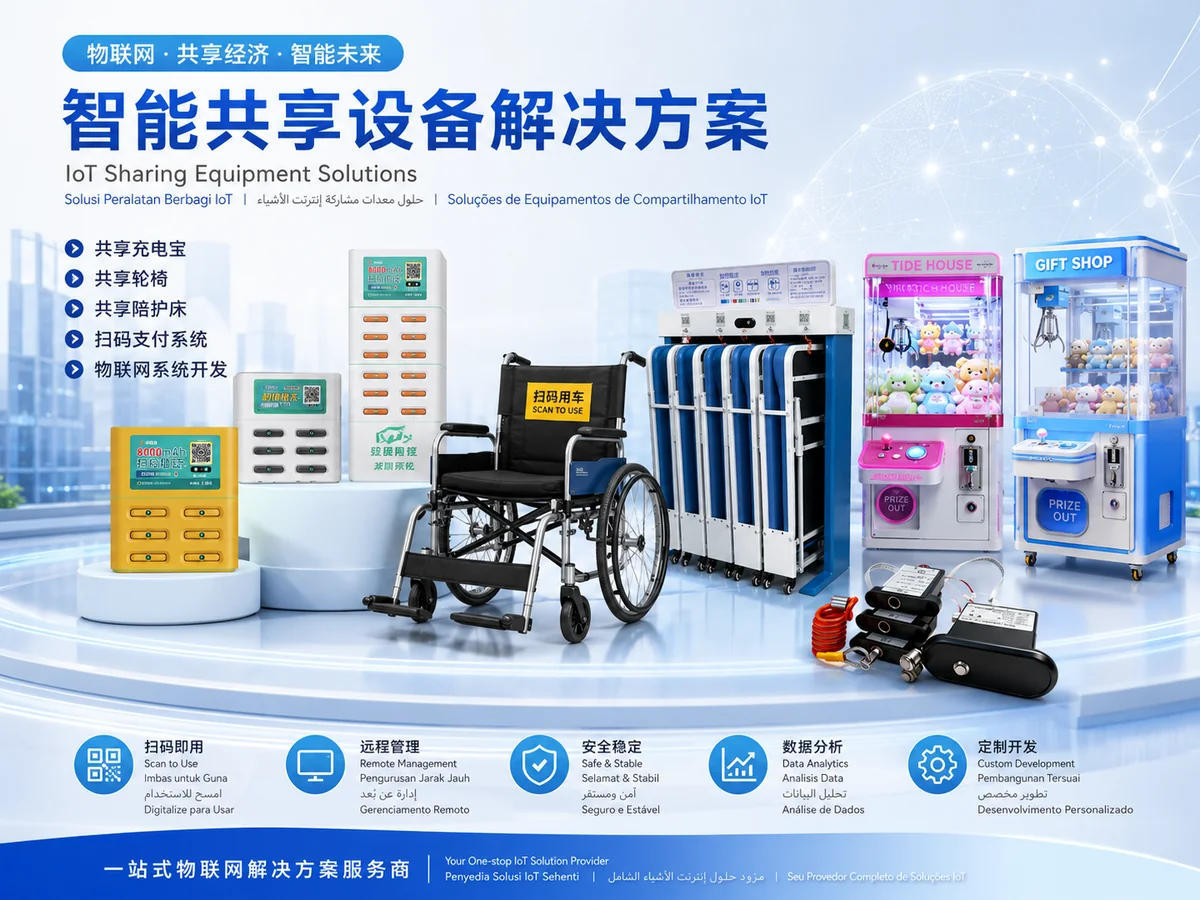
A platform should therefore be designed around device management, business transactions, and operational collaboration, not connectivity alone.
1. Start with a unified device model
Every device needs a stable identity linked to its product model, firmware, project, venue, and responsible team. Separate information into three groups:
- Static attributes: model, serial number, connectivity, and production batch.
- Live state: connectivity, battery, lock or cabinet state, and active task.
- Business relationships: merchant, venue, order, pricing, and service history.
With a consistent model, business applications do not need to understand every underlying protocol. Adding a device type becomes a protocol adaptation and mapping task while orders, access control, and operations remain reusable.
2. Make telemetry and commands traceable
Telemetry and control commands require different reliability strategies. Telemetry must tolerate duplicates, out-of-order messages, and temporary network loss. Commands such as unlock, dispense, or start must record request, delivery, execution, and acknowledgement.
A traceable command should include:
- Command ID and target device.
- Request source and operator.
- Send time, timeout, and retry policy.
- Device acknowledgement and final business result.
When a user pays but the equipment does not start, this chain helps identify whether the failure occurred in payment, business services, communication, or hardware execution.
3. Do not define health by heartbeat alone
A connected device is not necessarily usable. A stronger health model combines connection state, critical sensors, last successful transaction, consecutive failures, and firmware version.
Classify health as normal, attention, degraded, or offline, then map each state to an action. Brief network loss may trigger a reconnect, repeated command failures may require an operator, and old firmware may enter a staged upgrade plan.
4. Alerts need ownership and closure
The goal of alerting is not more notifications; it is business recovery. Every alert should identify severity, scope, first occurrence, duration, owner, and resolution state.
Useful starting rules include:
- A sudden drop in online rate at one venue.
- Payment succeeded but device execution failed.
- A device restarted repeatedly within a short window.
- Available inventory or battery fell below an operating threshold.
- One firmware version shows a higher failure rate than others.
Use grouping, suppression, and recovery notifications so one venue network issue does not create hundreds of duplicate alerts.
5. Design access control and audit from the first release
IoT projects involve headquarters, regional teams, merchants, hospital departments, and field technicians. Permissions must control both product features and the data or devices a role can reach.
High-risk actions such as remote unlock, price changes, refunds, and bulk upgrades should record the operator, time, target, before-and-after values, and result. Good audit trails reduce both investigation time and cross-team ambiguity.
A practical implementation sequence
The first phase should establish device identity, online state, core commands, and primary business orders. The second phase can add alerts, reconciliation, permissions, and bulk operations. After data and workflows stabilize, expand into predictive maintenance, refined dispatch, and operating analytics.
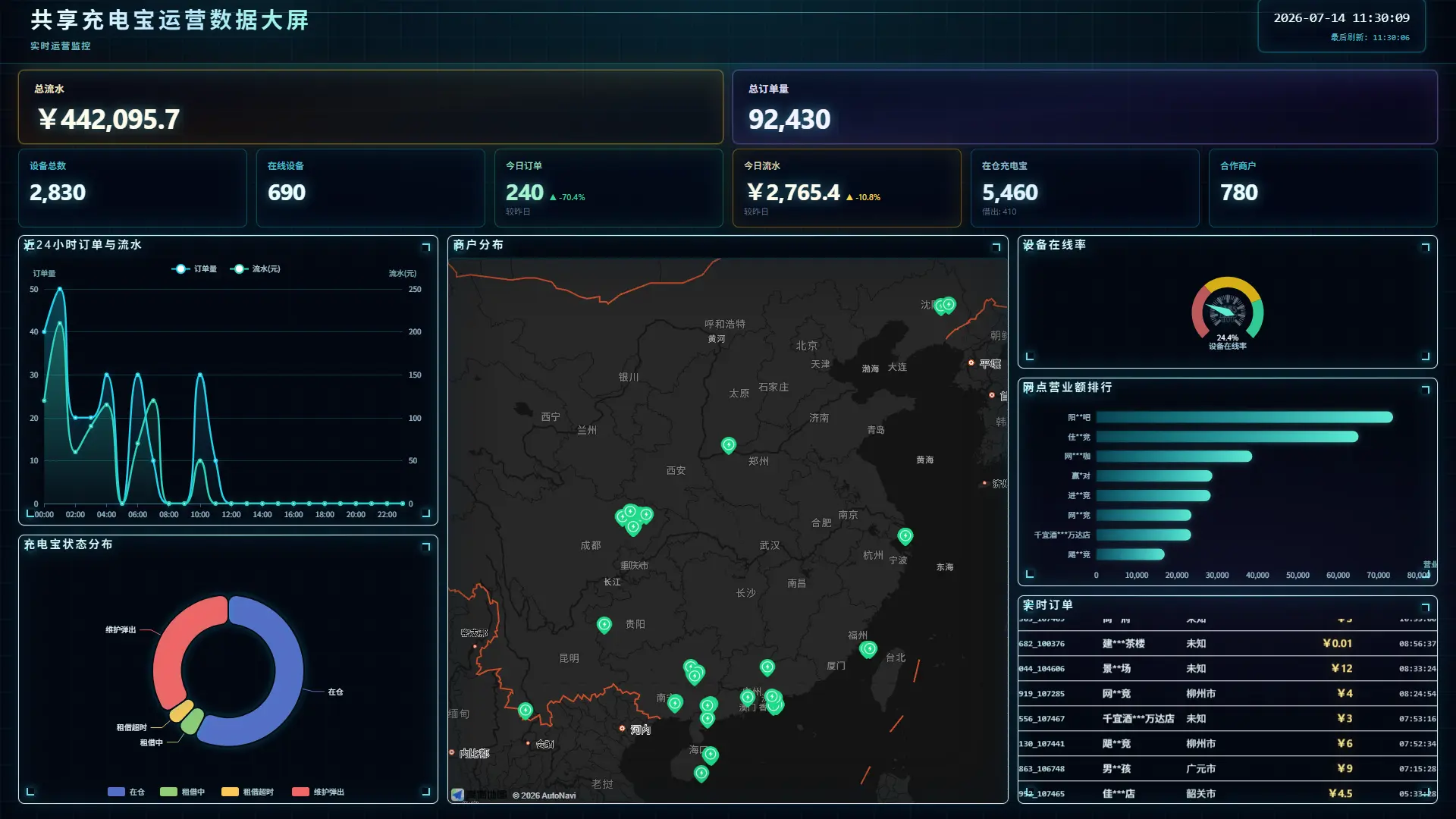
Avoid building a large reporting layer before device definitions and business rules are reliable. Accurate data is more valuable than a large number of dashboards.
Pre-launch checklist
- Does every device have a unique identity and clear ownership?
- Do commands have timeout, retry, and acknowledgement rules?
- Can teams trace an order to device events and back?
- Does every important alert have an owner and recovery notice?
- Are critical actions permission-controlled and audited?
- Can firmware upgrades be staged, paused, and rolled back?
A sustainable IoT platform does more than keep devices online. It gives devices, transactions, and operations teams one observable and traceable way of working. For end-to-end planning across protocols, cloud services, and operations apps, explore our IoT software development services.