IoT Device Offline Detection and Alerts: From Signal to Recovery
Use layered health metrics, alert rules, and resolution workflows to reduce noise and restore shared-device services faster
Offline is a symptom, not a root cause
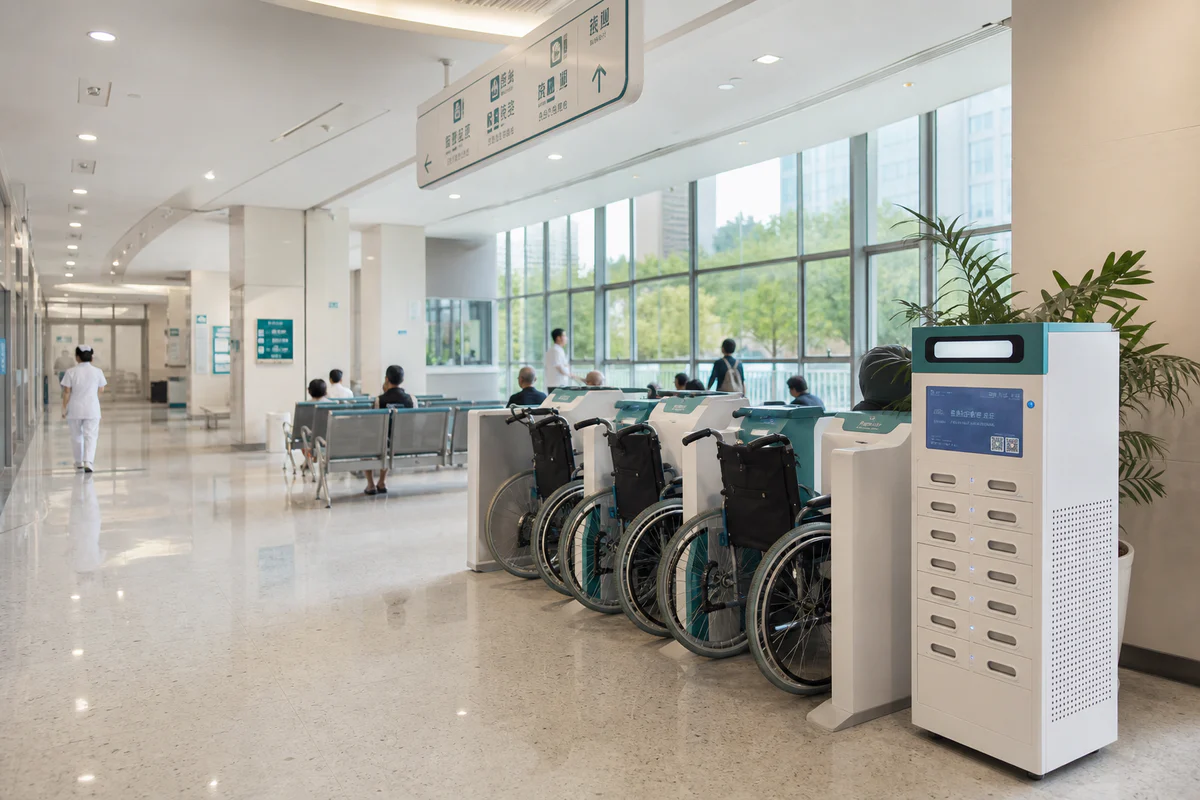
Shared devices operate in hospitals, malls, scenic areas, and outdoor parks where power, network quality, and human interaction vary. An offline state may mean power loss, mobile network fluctuation, a SIM issue, a stopped gateway process, or a delayed heartbeat.
If every condition produces the same alert, operators quickly stop trusting the system. A better approach is to define device health first, then make alerts reflect business impact and response priority.
Build four layers of health metrics
1. Connectivity
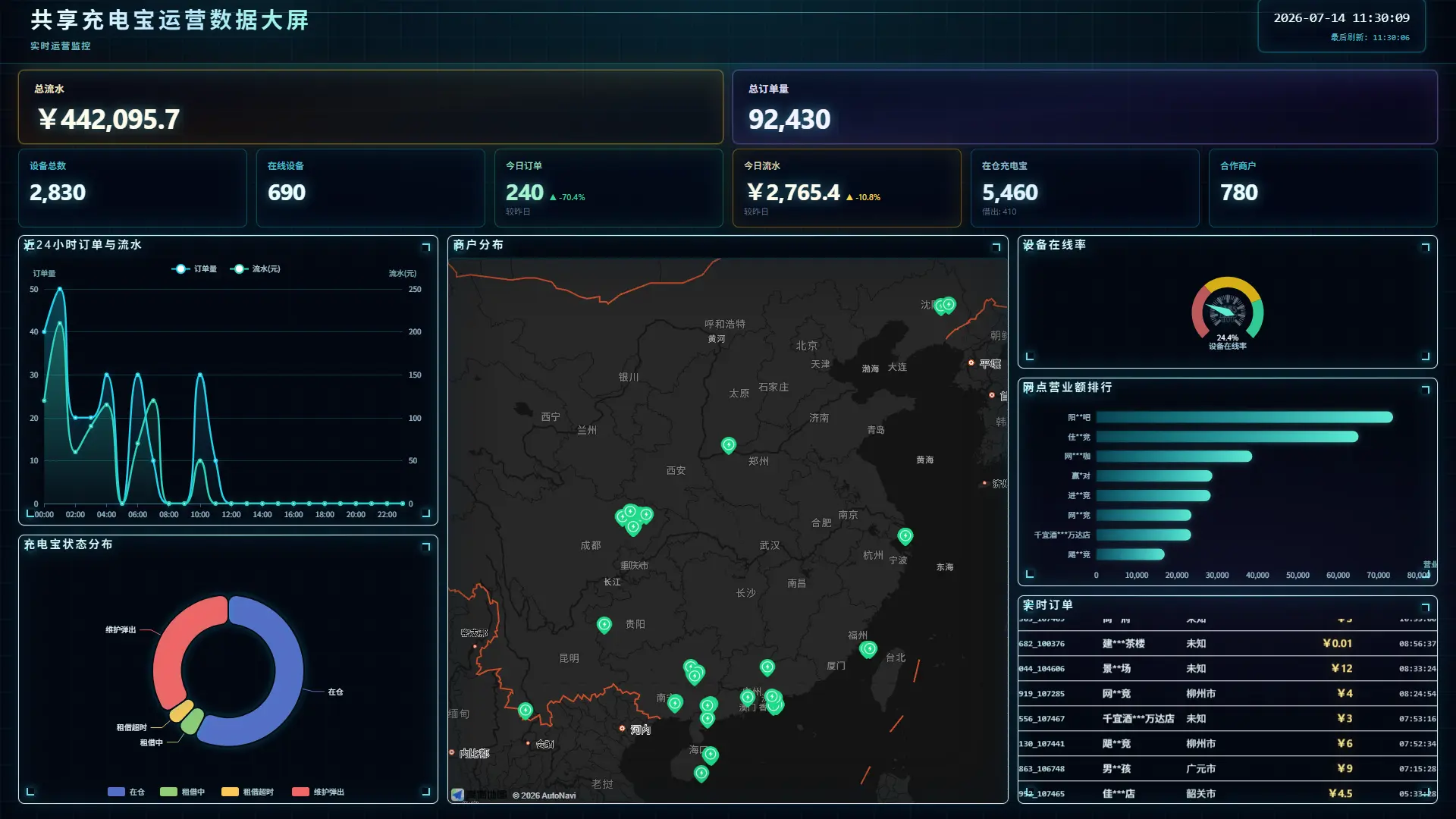
Track the latest heartbeat, connection attempts, disconnect frequency, signal quality, and message round-trip time. These metrics show whether the device can communicate consistently.
2. Hardware
Track power, battery, temperature, locks, cabinet doors, sensors, and local storage. A device can remain online while one actuator is no longer usable.
3. Business execution
Track unlock success, rental completion, payment-to-execution success, return recognition, and order completion. This layer is closest to the user’s real experience.
4. Venue health
Measure the overall online rate and transaction change for one hospital, mall, or scenic-area site. If several devices fail at once, power or local connectivity should be investigated before individual units.
Add a buffer before declaring a device offline
Mobile networks experience brief interruptions. Alerting on the first missed heartbeat creates false positives. A useful state model is:
- Delayed: one interval missed; continue observation and probe the device.
- Suspected offline: multiple intervals missed; reconnect or restart the communication module.
- Confirmed offline: the business tolerance window is exceeded; notify the regional operator.
- Long-term offline: move the device into a field-service or decommission workflow.
Tolerance should reflect the product. A paid ride-start command needs a fast acknowledgement, while a low-frequency sensor can tolerate a longer interval.
Use severity and aggregation
Map severity to business impact:
- Critical: payment succeeded but execution failed, many devices are offline, or a safety-related condition occurred.
- Important: a core device remains offline, inventory is low, or transactions repeatedly fail.
- Advisory: signal quality is degrading, firmware is outdated, or maintenance is due.
When many devices at one venue fail together, aggregate them into one venue-level incident and list affected devices as details. Suppress downstream alerts when an upstream cause is already active.
Keep automated recovery controlled
Common recovery actions include reconnecting, restarting a modem, refreshing configuration, resending a command, or switching channels. Every action needs attempt limits, intervals, and stop conditions to avoid endless restart loops.
High-risk actions such as remote unlock, equipment start, or refund should not run from an alert alone. Combine order state, device acknowledgement, and permission policies, then preserve human confirmation where required.
Close the operational loop
Every important alert should have an owner, action log, recovery time, and root-cause category. Over time, teams can compare failures by model, firmware, carrier, and operating environment.
Review these metrics each week:
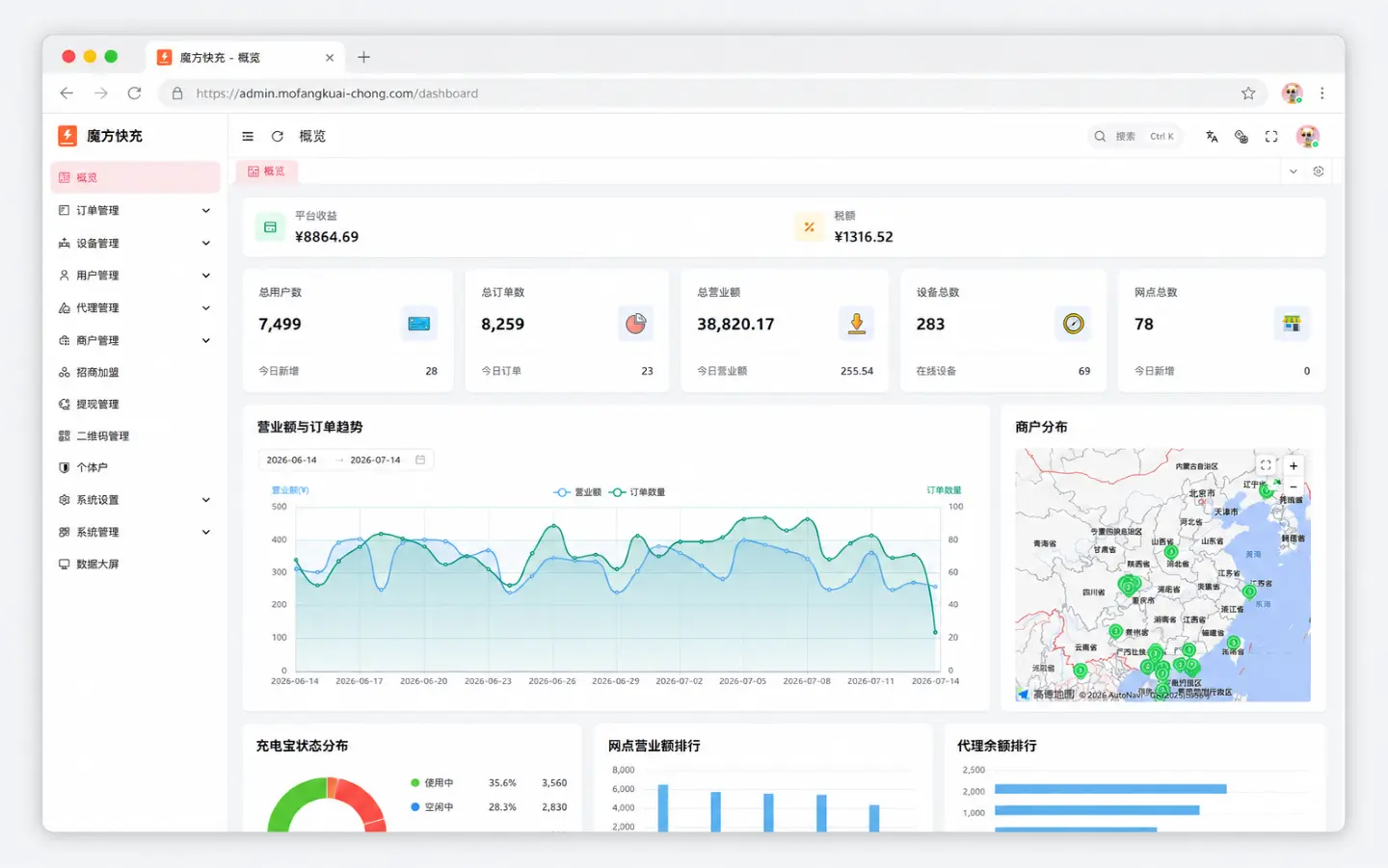
- Device availability and business success rate.
- Mean time to detect and mean time to recover.
- Duplicate alert rate and automated recovery success.
- Failure rate by device model and firmware version.
- Percentage of incidents requiring field service.
A mature alerting system does not eliminate incidents. It detects the right ones, routes them quickly, restores service, and turns every incident into input for product improvement. These capabilities can be delivered as part of a custom IoT device management platform.